




Improved
6112 HealthChanged
3786 LivesSaved
3568 Lives0 lives impacted in the last 24 hrs Learn More
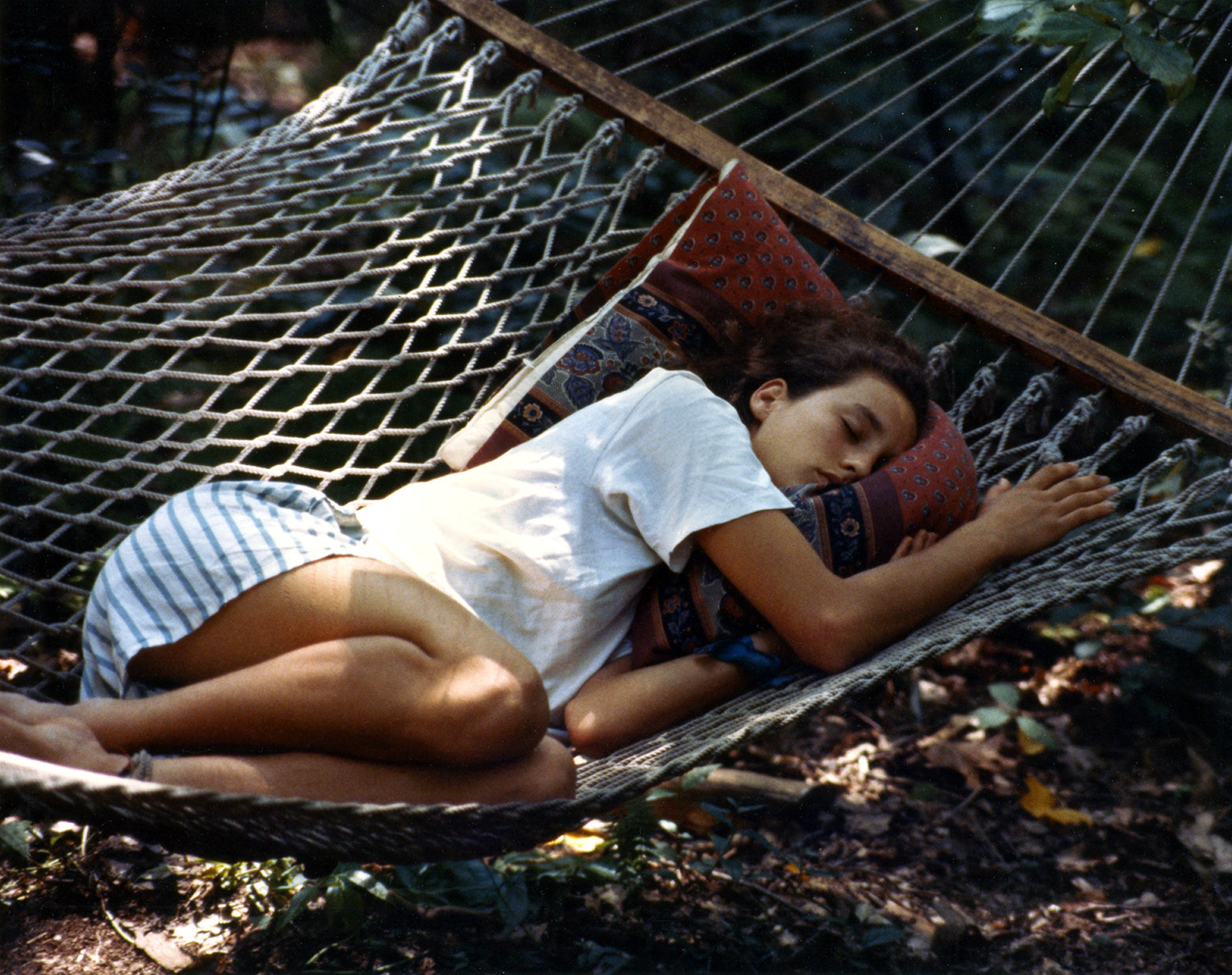
 Photo: Getty Images
In the 2009 Child Maltreatment report from the U.S. Department of Health and Human Services, 3 million children were the subject of a Child Protective Services report, with one-fifth of them being victims of abuse. Of the abused children, 78.3 percent experienced neglect, 17.8 percent experienced physical abuse, 9.5 percent experienced sexual abuse, 7.6 percent experienced psychological abuse, and 2.4 percent experienced medical abuse, according to the report. When a child is psychologically or emotionally abused, it can deeply affect her. Examples of emotional abuse include the child being threatened or constantly criticized, or the abuser withholding support or love from the child. The Child Welfare Information Gateway from the U.S. Department of Health and Human Services noted that in many cases, when a child is the victim of another type of abuse, such as physical or sexual, emotional abuse has also occurred.
Experiencing emotional abuse during childhood can have serious long-term effects on the child. For example, the Child Welfare Information Gateway stated that children who have been emotionally abused commonly experience depression. The long-term effects of childhood abuse may affect the person well into adulthood. A study published in the Journals of Gerontology Series B: Psychological and Social Sciences looked at the effects of childhood emotional abuse on sleep in elderly persons. The data for this study came from the National Survey of Midlife Development in the United States, which surveyed 3,487 adults in 1995 and followed up nine years later. The questions asked in 1995 pertained to participants’ childhoods. The follow-up questions asked participants about their relationships, sleep habits and emotional distress. All of the participants in the National Survey of Midlife Development in the United States spoke English and were not institutionalized. The sleep and emotional abuse study, conducted by Poon and Knight, used data from 877 adults who were ages 60 or over.
For sleep, participants were asked if they experience fatigue, have trouble waking up at night or too early in the morning, or if they have trouble falling asleep. These questions were answered using a five point scale, with a one meaning “never” and a five meaning “almost always.” For abuse, the survey asked about parental physical abuse, emotional abuse and emotional neglect. Emotional abuse included being threated or insulted, while emotional neglect included lack of affection or care from parents. The abuse questions were answered with a four point scale, with a one meaning “often” and a four meaning “never.” The authors found that participants found a significant relationship between poor sleep quality and parental emotional abuse that occurred during childhood. They did not find this association of poor sleep quality with either emotional neglect or physical abuse. The authors suggested that the sleep problems are linked to a lack of support, which is associated to stress.
References
Children’s Bureau. Child Maltreatment 2009. U.S. Department of Health and Human Services, 2009. Web. 15 August 2011.
http://www.acf.hhs.gov/programs/cb/pubs/cm09/cm09.pdf
Child Welfare Information Gateway. What Is Child Abuse and Neglect?. U.S. Department of Health and Human Services, 2008. Web. 15 August 2011
http://www.childwelfare.gov/pubs/factsheets/whatiscan.cfm
Child Welfare Information Gateway. Long-Term Consequences of Child Abuse and Neglect. U.S. Department of Health and Human Services, 2008. Web. 15 August 2011
http://www.childwelfare.gov/pubs/factsheets/long_term_consequences.cfm
Poon, C.Y.M. and Knight, B.G. Impact of Childhood Parental Abuse and Neglect on Sleep Problems in Old Age. The Journals of Gerontology: Series B, 2011. Web. 15 August 2011
http://psychsocgerontology.oxfordjournals.org/content/66B/3/307.abstract
Press Release. Seniors Abused During Childhood Face Increased Risk of Sleep Troubles. The Gerontological Society of America, 2011. Web. 15 August 2011
http://www.geron.org/About%20Us/press-room/Archived%20Press%20Releases/77-2011-press-releases/1055-seniors-abused-during-childhood-face-increased-risk-of-sleep-troubles
Reviewed August 16, 2011
by Michele Blacksberg R.N.
Edited by Jody Smith
Add a CommentComments
There are no comments yet. Be the first one and get the conversation started!