





Improved
6113 HealthChanged
3786 LivesSaved
3568 Lives0 lives impacted in the last 24 hrs Learn More
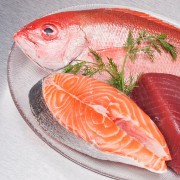 Photo: Getty Images
When someone with a food allergy eats that food (allergen) or comes in contact with it, the immune systems reacts as though the allergen was something harmful, like a virus or bacteria. Fish is one of the eight primary food allergens in the United States. Approximately 40 percent of all people who are allergic to fish have their first reaction after they become adults. Unlike some allergies that go away over time, fish allergies tend to be life-long once they develop.
Defining Fish
For purposes of food allergy discussions, fish are defined as creatures that have fins, as opposed to shellfish including mollusks and crustaceans which do not have fins. Some people who are allergic to fish are also allergic to shellfish, but others are allergic to one type of seafood or the other. The most common types of fish that cause an allergic reaction are salmon, tuna, and halibut. But if you are allergic to one type of fish, your doctor will probably tell you to avoid eating all types of fish unless you have been specifically tested to identify your exact allergens.
Fish allergy may be connected with an increased risk of asthma in adults. Some people with fish allergy feel tingling or itching in the mouth if they eat fish. For people with a severe fish allergy, this allergen can cause severe and sudden swelling in the mouth, throat, and airway which is known as anaphylaxis. This reaction can be life-threatening by interrupting breathing and heart functions.
Fishy Foods to Avoid
To avoid having a reaction to fish, avoid eating or coming in contact with any foods that contain fish. This may seem relatively simple. But you may also react if you touch fish or fish oil, come in contact with a surface where fish is being prepared, or if you breathe in the steam from fish that is being cooked.
Fish can also be found in some foods that you might not suspect. Be wary of these items:
• Sauces –Worcestershire sauce contains fish, so avoid the sauce and items made with it, including some barbecue sauces.
• Dressings – Some salad dressings, including Caesar dressing, contain fish or fish oil.
• Bouillabaisse (fish stew)
• Meatloaf – Some meatloaf is made with Worcestershire sauce
• Anchovies
• Caviar
• Sushi
• Gelatin – Kosher gelatin is made using fish bones
• Imitation shellfish
• Fish sticks
Because fish is one of the eight main food allergens, the United States Food and Drug Administration requires all food products to be clearly labeled if they contain fish. In addition to checking the ingredient list, look for phrases indicating the food might have been prepared in the same facility or on the same processing equipment with foods containing fish.
If you go to a restaurant, be sure to tell the manager and your server that you have a food allergy (not just a food preference) and that you cannot have any products containing any type of fish. Even if you order a meal without fish, cross-contamination can occur in the kitchen if the same utensils, cookware, or even serving trays are used to prepare your meal and a meal containing fish. Also consider that any fried food may be cooked in the same oil used to deep fry fish. Many Asian restaurants use fish in most of their dishes, so the risk of cross-contamination may be higher in those locations.
Fish safe products
Some products that may seem to contain fish can actually be safe for people with fish allergy.
• Carrageen – made from seaweed.
• GMO corn with fish genes has been tested and is safe.
• Iodine – Whether in food or medical testing, iodine is not related to fish allergy.
• Omega-3 supplements – many contain fish oil. Use only those that are vegetarian or vegan which are made from seaweed or flax seed oil.
Sources:
The Food Allergy & Anaphylaxis Network
About.com: Seafood Allergies
Add a CommentComments
There are no comments yet. Be the first one and get the conversation started!