



Improved
6112 HealthChanged
3786 LivesSaved
3568 Lives0 lives impacted in the last 24 hrs Learn More
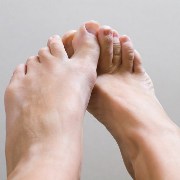 Photo: Getty Images
Diseases such as cancer, diabetes and depression may be illnesses dealt with often today, but according to medicinenet.com, gout is one of the most common and documented medical conditions in history.
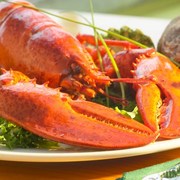
Gout occurs when uric acid, a substance created when purines break down, accumulates in the body. The National Institute of Arthritis and Musculoskeletal and Skin Diseases (NIAMS) states that the uric acid collects when the body produces a high amount of the acid, kidneys do not dispose of the acid, and individuals eat a great amount of foods containing purines. Purines exist in body tissue and are most often digested through foods including red-organ meats such as kidney and liver, seafood, including anchovies and sardines, foods rich in high-fructose syrup, liver, mushrooms, and legumes, such as dried beans and peas.
When too much uric acid exists in the body, urate crystals form and pile up in the joints. The mass of crystals can then lead to excessive pain, swelling, heat, redness and inflammation within the joints, also known as arthritis. Gout attacks most often occur in the base joint of the big toe, but pain is also common in the ankles, knees, wrists, elbows, fingers and heels.
According to the NIAMS website, most people are first affected by gout when they experience pain in their big toe that is so severe it often wakes them from their sleep. Gout experts state that the first series of gout attacks subside within three to ten days, and the following episodes may not occur for months or years.
Symptoms of GoutRisk Factors of Gout
Many factors can trigger gout, and while some are unavoidable, some can be prevented.
Risk Factors:
- Moderate to high alcohol consumption, especially beer. Mayoclinic.com suggests that more than two daily alcohol drinks for men and more than one for women can lead to gout.
- High intake of foods rich in purines.
- Obesity.
- High blood pressure (especially if it is left untreated).
- Diseases and medical conditions including leukemia, diabetes, arteriosclerosis (the thickening and narrowing of arteries), hyperlipidemia (a high amount of fats and cholesterol in blood), lymphoma, and hemoglobin disorders.
- A history of gout in the family.
- Medications including thiazide diuretics (usually taken for hypertension or high blood pressure), niacin (a vitamin that lowers cholesterol and fats in the body), low-dose aspirin, cyclosporine (a medication for organ transplant patients) and medications that treat tuberculosis (such as pyrazinamide and ethambutol).
- Patients who underwent organ transplants.
- Unusual functioning of the kidneys.
- Mayoclinic.com states that gout most often forms in men between the ages of 40 and 50, whereas women develop the disease after menopause.
- High stress.
- Dehydration.
- Joint injuries.
References:
http://www.niams.nih.gov/Health_Info/Gout/gout_ff.asp
http://www.medicinenet.com/gout/article.htm
http://www.mayoclinic.com/health/gout/DS00090/DSECTION=risk-factors
Reviewed July 21, 2011
by Michele Blacksberg R.N.
Edited by Shannon Koehle
Add a Comment2 Comments
Nicely explained! The information is really helpful for people having gout problems. Luckily, gout can be cured. People with gout can keep them free from gout attacks by avoiding foods that are high in purine content such as alcoholic beverages, fish, seafood, red meats, such as bacon, venison etc.
December 26, 2012 - 3:47amThis Comment
It is common for purine-containing vegetables to be listed as foods to avoid in gout, yet there is no evidence. Indeed, that advice is contrary to current knowledge. Rheumatologist Herbert Baraf, professor at George Washington University, was quoted in the Washington Post on 7 March 2011 (http://www.washingtonpost.com/wp-dyn/content/article/2011/03/07/AR2011030703990.html) saying that "As a practical matter, diet is not an effective treatment unless it involves substantial weight loss … a low-purine diet is not essential to the treatment of gout." A review of the lifestyle evidence (Choi 2010) specifically mentions to consume purine-rich vegetables “as they do not increase the risk of gout.” The review then says: “In fact, individuals who consumed vegetable protein in the highest quintile of intake actually had a 27% lower risk of gout compared with the lowest quintile.”
July 26, 2011 - 6:25pmA study of 92 men with gout and 92 controls found no link between purine intake and the occurrence of gout, or between fruit and vegetable intake and gout (Lyu 2003). The authors state that: “Our data support the observation that increased consumption of foods from plant sources, especially fruit and vegetables, reduce the risk of gout development.”
It is time for NIAMS to update their info. Way out-of-date. Happy to supply references.
Glenn Cardwell
Accredited Practising Dietitian
This Comment