



Improved
6112 HealthChanged
3786 LivesSaved
3568 Lives0 lives impacted in the last 24 hrs Learn More
What exactly is cholesterol?
Cholesterol is one of the many types of lipids or fats found in our blood and in the cell membrane of any mammalian cell. Cholesterol attaches itself to lipoproteins present in the blood to be transported to different body parts. Depending upon the density of the cholesterol transporter or lipoprotein, the cholesterols are classified as:
• High density lipoprotein cholesterol (HDL-C). This is also referred to as "good" cholesterol. It collects cholesterol from body tissues and returns it to the liver.
Are all types of cholesterol bad?
No, cholesterol is necessary for the body and has been provided to us through millions of years of evolution for a reason. Cholesterol is required for the execution of a number of crucial functions in the body. Some of them are:
• It aids the production of bile acids.
• It is required for the production of substances like cortisol, aldosterone, estrogens and testosterone.
• The production of prohormone vitamin D requires the presence of cholesterol.
• It surrounds neurons (nerve cells) as a protective layer providing insulation and helps relay messages between them more efficiently.
• Cholesterol helps in the repair and maintenance of cell or plasma membranes of our cells.
• It also promotes plasma membrane permeability and fluidity.
However, most cholesterol produced by the body is sufficient for all of the functions to run smoothly. Additional cholesterol enters our system by way of what we eat (dietary cholesterol in foods like egg yolks, beef, saturated and transfats, etc.), and this creates an excess of the substance (hypercholesterolemia) and the negative effects associated with it, such as cardiovascular conditions, diabetes, hypertension, etc.
High cholesterol or hypercholesterolemia means that there is excess of fat deposits in your blood vessels thus making the cell walls of the blood vessels thick. Once the blood vessels thicken with fatty deposits lesser space is available for the blood to flow inside and through tubes/vessels/arteries. As a result the various organs of the body become blood (and thereby oxygen and nutrient) deficient. When the heart experiences this situation, a heart attack may result. A similar situation with the brain can lead to a stroke.
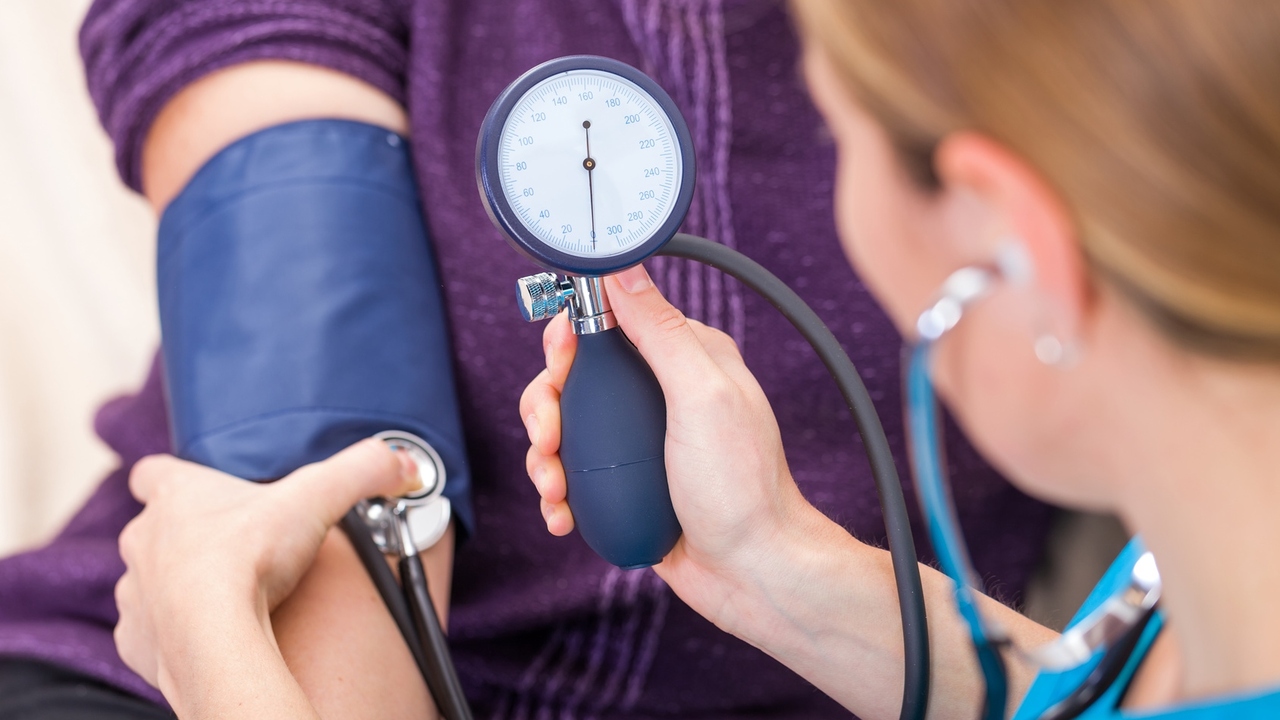
Quite often though the blood cholesterol levels may be high, it is asymptomatic. This is what makes it necessary to have your blood screened for cholesterol readings. A blood test is recommended for evaluation of blood cholesterol levels.
What tests are available to assess my cholesterol levels?
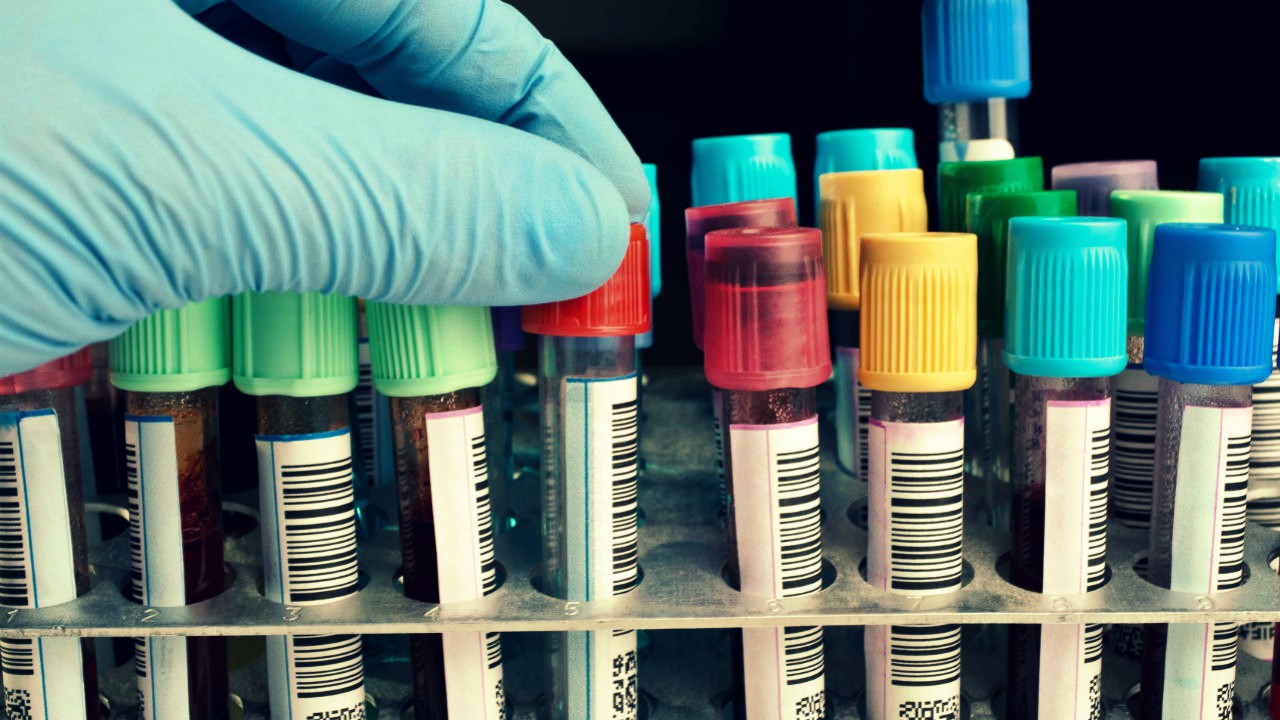
A test known as a complete lipid profile is recommended to test blood cholesterol levels. A small amount of blood is drawn from your arm or inner forearm (opposite side of the elbow) which has thinner skin and is rich in arteries.
For taking this test, your doctor will ask you to fast (no food or drinks other than water) for a period of 10-12 hours before the blood is drawn out.
However, if you have not fasted, then you should notify the nurse or doctor about it. In such a case only the value or reading of the total cholesterol and the high density cholesterol can be used by the doctor. The important low density cholesterol and triglyceride readings will be erroneous as they would have been affected by your eating or drinking.
Your blood sample will be tested in the laboratory for its composition before you are asked to collect your report and consult the doctor again for further action. The lipid profile report will have numbers, ratios and desirable ranges given against each lipid tested in the blood.
What do the numbers signify?
All readings are in metric units. The numbers are expressed as milligrams per deciliter of blood or mg/dL. (Source: American Heart Association; report Title: How To get Your Cholesterol Tested; Updated: Updated: Thu, 20 Jan 2011 9:52:00 AM; URL: http://www.heart.org/HEARTORG/Conditions/Cholesterol/SymptomsDiagnosisMonitoringofHighCholesterol/How-To-Get-Your-Cholesterol-Tested_UCM_305595_Article.jsp) Cholesterol readings are dependent upon:
• Race – Some races and ethnic groups reflect lower than the world averages and some record higher readings.
• Age – Cholesterol readings are likely to increase with age.
• Sex – Women in their productive years are likely to have better cholesterol readings than men.
• Heredity – Family medical history and genetics also play a role on good or bad cholesterol values.
• Lifestyle – Persons with stressful lives, those who use tobacco, have low physical activities, consume alcohol beyond moderation regularly and with fatty diets are more likely to show undesirable cholesterol values especially of the low density lipoprotein and triglyceride type values.
Ranges mentioned below are endorsed by National Cholesterol Education Program (NCEP) guidelines for detection of high cholesterol. The numbers are applicable to U.S but also useful for Canada and European countries.
• Total cholesterol or TC readings:
Desirable – Less than 200 mg/dL . Low risk for cardiovascular conditions.
Borderline high – 200 – 239 mg/dL. Increased risk for coronary heart diseases.
High risk – More than 240 mg/dL. High risk for cardiovascular conditions.
• High density lipoprotein or HDL readings:
Desirable – More than or equal to 60 mg/dL
Average risk – Men: 40 mg/dL -50 mg/dL. Women: 50 mg/dL - 59 mg/dl
High risk – Men: Less than 40 mg/dL. Women: Less than 50 mg/dL.
For example, if a person has a total cholesterol result of 200 mg/dL and an HDL cholesterol level of 50 mg/dL, the ratio would be stated as 4 (or 4:1). A desirable ratio is below 5 (5:1); the optimum ratio is 3.5 (3.5:1). The American Heart Association recommends that the absolute numbers for total blood cholesterol and HDL cholesterol levels be used because they are more useful than the ratio in determining appropriate treatment for patients. (Source: LabTestsOnline.com; Report Title: HDL Cholesterol; Approved By: American Association for Clinical Chemistry; URL: http://www.labtestsonline.org/understanding/analytes/hdl/test.html)
• Low density lipoprotein or LDL readings:
Optimal – Less than 100 mg/dL
Near optimal – 100 mg/dL – 129 mg/dL
Borderline high – 130 mg/dL – 159 mg/dL
High – 160 mg/dL -189 mg/dL
Very high – More Than 189 mg/dL
LDL values can dip if you are ill. Ideally, you should wait out a period of four to six weeks before getting your LDL tested after you have recovered from an illness. LDL values are of critical importance in assessing risks and treatment of coronary diseases, type 2 diabetes, etc.
• Tryglyceride or TGL readings:
Best – Less than 150 mg/dL
Boderline high – Between 150 mg/dL - 199 mg/dL
High – Between 240 mg/dL – 499 mg/dL. Could indicate being physically inactive, overweight, or obese, cigarette smoking, increased alcohol consumption, type 2 diabetes or kidney disease or hypothyroidism.
Very High – More than 500 mg/dL. Risk of pancreatitis added.
Home testing kits
Several kits are available in the market to test HDL or LDL only readings. However, it is best to consult your doctor and have him or her order one for you. The American Heart Association has not taken a position on home testing devices for cholesterol.
Testing children
In rare cases, children as young as 2 years of age have abnormally high cholesterol reading and the doctor may order a test for getting a diagnosis and starting a treatment. However, this is an exception. Tests can be done on persons 5 years of age and above if the doctor considers it necessary.
INFORMATION IN THIS ARTICLE IS NOT MEDICAL ADVICE. ALL INFORMATION GIVEN IS TO BE CHECKED WITH YOUR DOCTOR BEFORE IMPLEMENTING OR TAKING THEM AS STANDARD OR VERIFIED.
Mamta Singh is a published author of the books Migraines for the Informed Woman (Publisher: Rupa & Co. URL: http://www.amazon.com/Migraines-Informed-Woman-Tips-Sufferer/dp/8129115174/ref=sr_1_2?ie=UTF8&s=books&qid=1298990756&sr=1-2), the upcoming Rev Up Your Life! (Publisher: Hay House India) and Mentor Your Mind (Publisher: Sterling Publishers). She is also a seasoned business, creative and academic writer. She is a certified fitness instructor, personal trainer & sports nutritionist through IFA, Florida USA. Mamta is an NCFE-certified Holistic Health Therapist SAC Dip U.K. She is the lead writer and holds Expert Author status in many well-received health, fitness and nutrition sites. She runs her own popular blogs on migraines in women and holistic health. Mamta holds a double Master's Degree in Commerce and Business. She is a registered practitioner with the UN recognised Art of Living Foundation.
Add a CommentComments
There are no comments yet. Be the first one and get the conversation started!