





Improved
6112 HealthChanged
3786 LivesSaved
3568 Lives0 lives impacted in the last 24 hrs Learn More
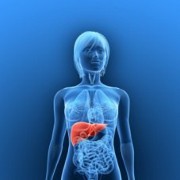 Photo: Getty Images
Your liver is football-shaped, and sits on the right side of your abdomen, between your stomach and your diaphragm. Its primary physiological responsibility is to detoxify our bloodstream from the byproducts of the food we ingest, but it also helps metabolize medications and food, stores sugars, makes cholesterol and other important fats, proteins needed for blood clotting, and bile which is necessary for digestion.
The liver is the second largest organ in the body (next to the skin) and is also classified as a gland because it secretes bile.
Interestingly, the liver is capable of regenerating itself if parts of it are removed or become diseased and “live” partial liver transplants have been completed in several cases with success for both the donor and transplant recipient.
Facts about Liver Cancer
Liver cancer is one of the commonest forms of cancer in the world. Although liver cancer is relatively uncommon in the United States, diagnoses are increasing. So far in 2011 there have been over 26,000 new cases of liver cancer diagnosed in the U.S. and over 19,000 deaths.
For clarity purposes, liver cancer refers to cancer that starts in the liver, not cancer that spreads or metastasizes from other organs or places in the body.
Risk Factors for Liver Cancer
It isn’t always clear why cancer happens in some people in not in others. The only thing doctors and researchers have found out so far is that people with certain risk factors might be at greater risk for developing liver cancer. Such risk factors include:
• History of Hepatitis B or C – Worldwide, these conditions are the most common causes of liver cancer.
• Abuse of alcohol – Drinking more than two drinks of alcohol a day over the course of many years can increase the risk for cancers.
• Aflatoxin – Aflatoxin is “a harmful substance made by certain types of mold ... can form on peanuts, corn, and other nuts and grains ...The United States has safety measures limiting aflatoxin in the food supply.” (National Cancer Institute)
• Iron storage disease
• Cirrhosis
• Obesity and diabetes
Symptoms and Treatment of Liver Cancer
In the early stages, a patient may not experience any symptoms. However, when the cancer spreads to more cells, the National Cancer Institute says that the following symptoms may appear:
• Pain in the upper abdomen on the right side
• A lump or a heavy feeling in the upper abdomen
• Abdominal bloating
• Loss of appetite and feelings of fullness
• Weight loss
• Weakness or fatigue
• Nausea and vomiting
• Jaundice - Yellow skin and eye, pale stools, and dark urine
• Fever
Obviously, some of these symptoms can be indicative of other conditions, so medical tests need to be run to confirm the diagnosis. According to the National Cancer Institute, investigative methods may include:
• Physical exam
• Blood tests
• CT scan
• MRI
• Ultrasound
• Biopsy – A biopsy is not necessary to diagnose liver cancer, but a doctor may wish to remove a sample
The type of treatment suggested for a patient will depend on the number, size and location of the tumor(s), how well the liver is functioning and whether or not cirrhosis is also present, and whether or not the cancer has spread to areas outside the liver.
Treatment may include one or a combination of the following:
• Surgery – Usually an option for early stage liver cancers. The surgery is to remove the tumor. As much as 80 percent of the liver may be removed and so long as the cancer has not spread the remaining 20 percent of healthy liver tissue will regrow the missing part over several weeks. Liver transplant may also be an option for some patients.
• Ablation – There are two kinds of ablation that might be used to kill the cancer cells directly inside the liver through electrodes or ethanol injection.
• Embolization – In this surgical procedure, blood flow from the hepatic artery is cut off and the tumor dies, while the rest of the liver continues to receive blood from the hepatic portal vein. A chemotherapy drug may also be injected.
• Targeted therapy – This therapy usually involves the drug Sorafenib (Nexavar) although there are other targeted therapies available. You can find those details here.
http://www.cancer.gov/cancertopics/factsheet/Therapy/targeted
• Radiation therapy
• Chemotherapy
Liver cancer can be cured if found early enough and hasn’t spread and if the patient is otherwise healthy enough to be a candidate for surgery.
Sources:
Liver. Gastroenterological Society of Australia. Web. Sept 22, 2011. http://gesa.org.au/digestive-system/liver.cfm
Liver cancer. MayoClinic.com Web. Sept 30, 2011. http://www.mayoclinic.com/health/liver-cancer/DS00399
What You Need to Know about Liver Cancer. National Cancer Institute. Web. Sept 30, 2011.
http://www.cancer.gov/cancertopics/wyntk/liver/page1
Liver cancer. National Cancer Institute. Web. Sept 30, 2011. http://www.cancer.gov/cancertopics/types/liver
Reviewed September 30, 2011
by Michele Blacksberg RN
Edited by Jody Smith
Add a CommentComments
There are no comments yet. Be the first one and get the conversation started!