




Improved
6113 HealthChanged
3786 LivesSaved
3568 Lives0 lives impacted in the last 24 hrs Learn More
As some would say, “you are only as strong as the bones that carry you.” Well, this is in fact extremely true, especially for those suffering from osteopenia. While this medical condition is a precursor of sorts to osteoporosis, it can be just as debilitating. While osteoporosis is categorized a condition that depletes your bones, osteopenia essentially causes the bones to lose their density. Research shows that you are in your bone density prime around age 30. That means you have approximately 30 years to build the strongest, healthiest bones you can in order to prevent and stagnate this condition from developing and/or worsening. However, if you do get diagnosed with osteopenia, it is important to accept it and find out what the next step is to treat and move forward.
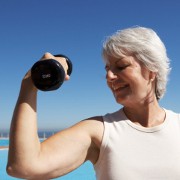
Upon being diagnosed with osteopenia, you may play 20 questions in your head about what to do next. Well, the answer is simple. Since there is no turning back to a time when you chose a Pepsi over a glass of milk or peeled the cheese off your pizza as a child, start thinking about your future with osteopenia. Can you get your bone density back to where it was at the tender age of 30? No. But you can make some adjustments to your normal lifestyle to help maintain the bone strength you have and even improve your current state. The first step in the right direction would be to speak with your doctor about treatment and medication, and adding a calcium supplement with vitamin D. Since calcium is the most vital mineral for bone mass, you should know what the best foods to consume the calcium your body needs. For starters, adding a little dairy and a green vegetable can do a body good. In addition to that, exercise is crucial to maintaining strong bones. Depending on your strength level, something like dancing, hiking or jogging are great choices, but even something simple like walking can make a tremendous impact on your bone strength. With that said, adding a little strength training to your routine can really take your mobility and strength to the next level, but speak to your doctor first to make sure it is a slow and graceful transition. The last thing you want to do is lift too much and hurt yourself. Most doctors are even recommending elastic bands as a good strength training alternative to lifting weights. Whatever you chose, be sure you and your doctor are on the same page so your treatment progresses.
Frankly speaking, once you are diagnosed with osteopenia there is no way to reverse history, however, there are ways to prevent it, or start showing your kids and grandkids ways to prevent the onset of this condition. To start, make sure you diet has a sufficient amount of calcium and vitamin D – preferably not directly from the sun. Then, add in some regular weight-bearing exercise routines, avoid smoking and a nutritious diet and you are setting your bones up for a healthy life.
Add a CommentComments
There are no comments yet. Be the first one and get the conversation started!