



Improved
6112 HealthChanged
3786 LivesSaved
3568 Lives0 lives impacted in the last 24 hrs Learn More
 Photo: Getty Images
The Mayo Clinic's website stated that polycystic ovary syndrome, or PCOS, is the most common hormonal disorder among women of reproductive age. This condition is usually characterized by the ovaries containing enlarged or numerous cysts. As a result, many sufferers experience sporadic or long menstrual periods, excessive hair growth, acne and obesity. Further, since there is no one test that determines PCOS, doctors usually have to resort to work by exclusion – considering all symptoms one by one, then ruling out other disorders that could mimic PCOS.
What will or should be considered by your physician? He or she will start with your medical history. Then, a physical and pelvic exam, blood tests, and possibly a pelvic ultrasound will be performed to get to the root of the problem. When a PCOS diagnosis is confirmed, treatment can begin. Treatment will be tailored to the patient’s personal concerns - be it fertility, abnormal hair growth or obesity.
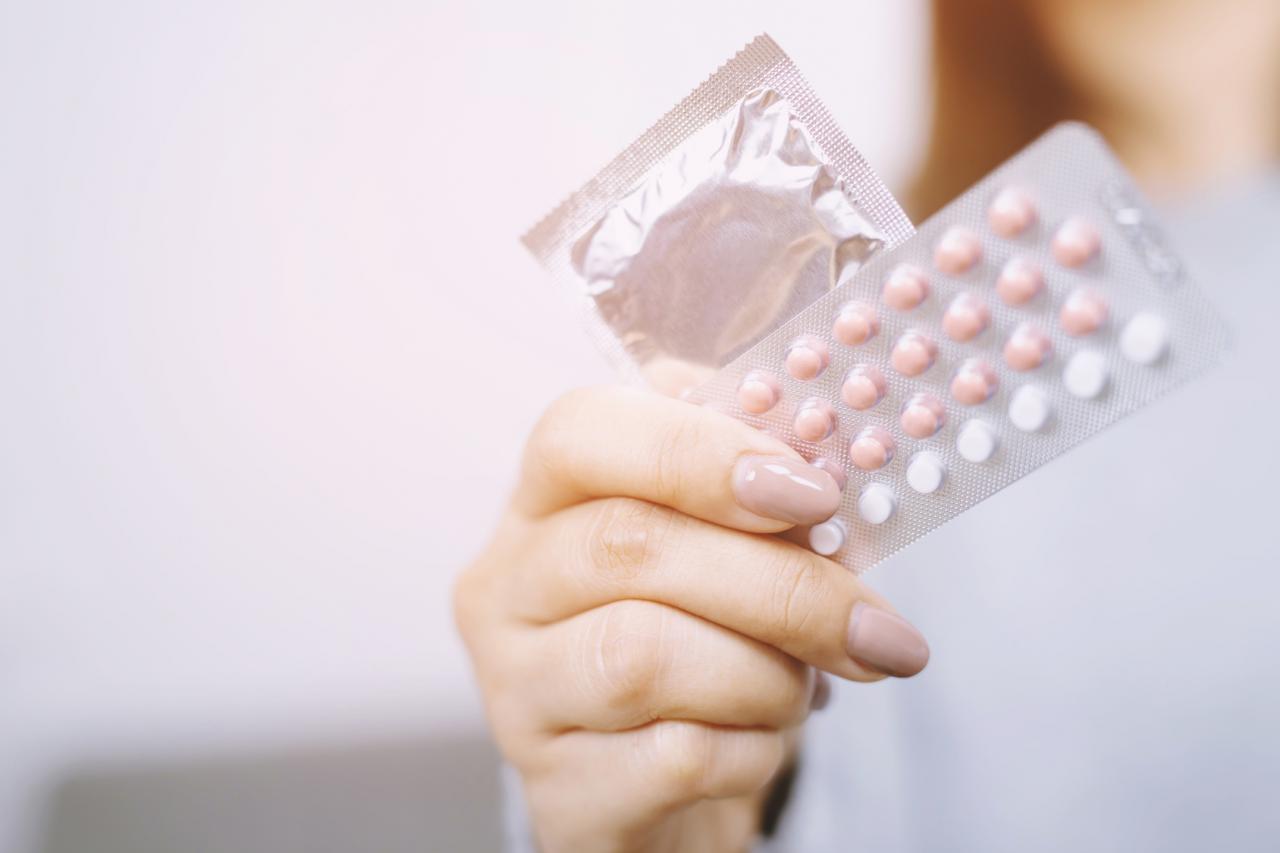
For example, for excessive hair growth, the physician may recommend birth control pills that decrease androgen production or another medication called spironolactone. Spironolactone blocks androgens to the skin but should only be used when the female is not considering pregnancy since birth defects have been linked to this drug. And finally, there are topical creams like, Eflornithine that slows facial hair growth in women.
If infertility is the concern, treatment for inducing ovulation can be prescribed such as Clomiphene or Metformin. These two are used quite often to induce ovulation. Other options – like surgery and in-vitro fertilization – can be tried too. Consult your physician to decide which is better for you.
Some PCOS sufferers - not wanting to get pregnant but recognizing the need to have a regular cycle – take a low-dose birth control pill that contains estrogen and progesterone. This lessens their risk of becoming a candidate for certain kinds of cancers. Another approach is to take progesterone for 10 to 14 days which regulates periods and protects against endometrial cancer, even though this option does not improve androgen levels. Lastly, Metformin is also prescribed - an oral medication normally used for type II diabetes – since it improves ovulation.
Other Tips
In the meantime, try to make healthy diet choices, get regular exercise, and have regular check-ups (blood pressure, cholesterol, and blood sugar). Due to the body’s imbalance with PCOS, these simple steps can be difficult to maintain. But interestingly enough, did you know that when some overweight PCOS sufferers lose weight, their symptoms disappear? That’s why it’s important to try to stabilize your hormone imbalance and regulate your cycles by staying on top of health issues as they come up. This may be as simple as buying a two dollar calendar and marking and keeping up with any medical appointment or check-up.
Resource: The Hormone Foundation, Mayo Clinic
Dita Faulkner is a freelance writer and an advocate for at-risk families in Tennessee.
Add a CommentComments
There are no comments yet. Be the first one and get the conversation started!