



Improved
6141 HealthChanged
3797 LivesSaved
3584 Lives0 lives impacted in the last 24 hrs Learn More
News reports across the country are reporting that bed bugs are being found everywhere from our homes to fancy hotels and it has nothing to do with cleanliness. In New York City, three major retailers temporarily shut their doors after a recent outbreak of the tiny blood-suckers. In Seattle, exterminators are reporting a 70 percent increase in bed bug-related calls in the last two years. In Fort Worth, Texas, bed bugs caused 200 people to move out of their apartment complex.
Bed bugs, no larger than an appleseed, live on blood and blood alone. They're super-resilient and can live just about anywhere. Bed bugs like to hide in crevices and cracks where people sleep or sit still for a long time (as it makes for easy feeding). Bed bugs can go without feeding for 80 to 140 days. Adults can survive without food for as long as 550 days. Bed bugs grow fastest and lay most eggs at about 80 degrees F.
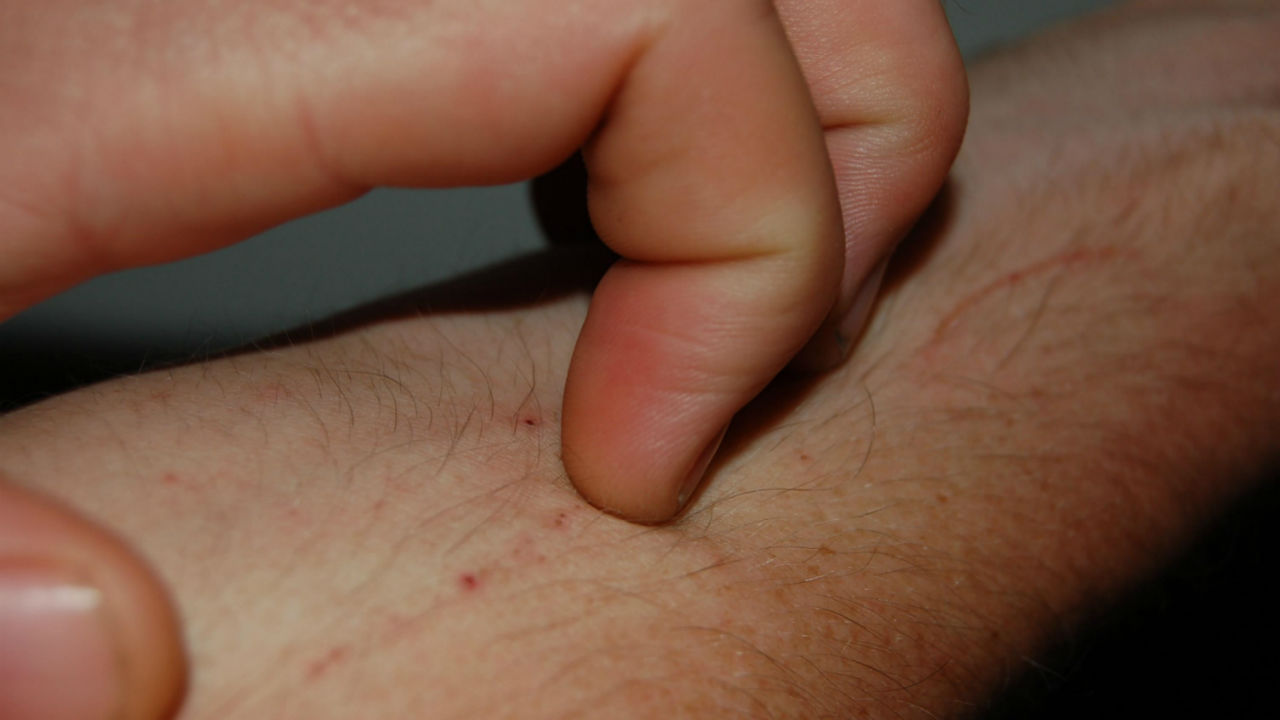
The first sign of bed bugs are small red and brown spots on your sheets. Unfortunately, the next sign may be bed bug bites which occur on exposed areas of the skin. The bite itself is painless and is not noticed. Small, flat or raised bumps on the skin are the most common sign; redness, swelling, and itching commonly occur. If scratched, the bite areas can become infected. The bites tend to be lined up in a row. Bed bug bites may go unnoticed or be mistaken for flea or mosquito bites or other types of rash.
Bed bugs can live anywhere in your home but most prefer to hang out in the bedroom. If you think you may have a problem, check your mattress. They can hide in mattress seams and behind your headboard.
Here are some tips to rid your home of these critters:
Arm yourself with gloves, a flashlight, magnifying glass, index card (for swiping bed bugs out of cracks), tweezers (to help grab the bug) and a ziplock bag. Place a few in the bag to send in for testing and vacuum the rest, disposing of the bag outside immediately.
Using the flashlight, work the mattress, inspecting the piping, sides and underside. Do the same with the box spring. If you can take it apart, do so, as bed bugs could be hiding in the joints. Then, work your way out, checking bedroom furniture (desks, dressers, couches) along with curtains and laundry bags. Check any slots in which a credit card could fit. Wake up one-hour before dawn, when bed bugs like to feed, lift the sheets and shine a flashlight on your mattress.
How to Prevent Them:
• Don't pick up used furniture off the street
Choose plain furniture design, where bed bugs cannot burrow
• Wash your sheets
Choose light colored bedding. This makes it easy to see bed bugs and blood stains
• Don't bother with dust ruffles, since they touch the floor, which makes for easy climbing
• Vacuum and use the vacuum attachment to get in every crevice
• Invest in a mattress cover. This will help keep bed bugs out. Go for the tightly-fitting, zip-up, full-coverage, which will help keep bed bugs in. If trapped for more than 150 days, most bed bugs will starve.
Now, if you can’t get rid of the critters on your own, you can call in a professional service will not cheap or easy. There are dogs specially trained to sniff out these pests. And, there is a carbon dioxide spray treatment which freezes the bed bugs to kill them off. This pest control can cost you hundreds of dollars.
Before you travel, you can go to www.bedbugregistry.com to check hotels for recent bed bug infestations. When you stay at a hotel, be sure to pull back the sheets and check out the bed, mattress, and headboard. Bed bugs are great hitchhikers. They sneak around by hanging onto clothes and inside suitcases. And just to be 100 percent safe, check your luggage and clothes before you unpack when you return from vacation.
Sources:
www.cbsnews.com
www.huffingtonpost.com
www.womansday.com
MC Ortega is the former publicist for the late Walter Payton, Coca-Cola and Dunkin’ Donuts. Ortega is a senior communications and messaging executive specializing in media relations, social media, program development and crisis communications. Also, Ortega is an avid traveler and international shopper. Ortega resides with her partner, Craig, dog, Fionne and extensive shoe collection. Ortega also enjoys jewelry design/production and flamenco dancing.
Add a Comment3 Comments
I have apartments and a month ago I found out one of the apartments had bed bug I got very scared then I started reading all I could about them, to day someone checked out of one of the apartment when I entered I went to war on them I used soap and water, using a spray bottle I filled it almost to the top with water then added liquid soap and a little disinfectant I sprayed it on them all and refilled the bottle and kept on spraying I got them all dead and then before I left the apartment I bombed the place with bug spray, first thing in the morning I will spray again and in one week I will bomb the place again, I know there will be some left in the walls but at least the place will be rentable again , my next step is to buy a heat machine and treat each unit till I get them all, I dont trust the pros for they charge big bucks and will give no guarantee. Without a guarantee whats the point.
July 20, 2014 - 9:33pmThis Comment
I have apartments and a month ago I found out one of the apartments had bed bug I got very scared then I started reading all I could about them, to day someone checked out of one of the apartment when I entered t to war on them I use soap and water, using a spray bottle I filled it almost to the top with water then added liquid soap and a little disinfectant I sprayed it on them all and refilled the bottle and kept on spraying I got them all dead and then before I left the apartment I bombed the place with bug spray, first thing in the morning I will spray again and in one week I will bomb the place again, I know there will be some left in the walls but at least the place will be rentable again , my next step is to buy a heat machine and treat each unit till I get them all, I dont trust the pros for they charge big bucks and will give no guarantee. Without a guarantee whats the point.
July 20, 2014 - 9:31pmThis Comment
By the early 1950’s bed bugs were nearly eliminated from the North American continent as a result of the widespread use of DDT. Their numbers were so decimated that generations raised after that time thought they were a myth, perpetuated in a nursery rhyme. Unfortunately, bed bugs are very real. The banning of DDT and the marked increase in international travel, have rapidly given us a resurgence of these nasty pests. Their increase started slowly at first, sort of like the front side of a bell curve, but then accelerated and intensified. We now appear to be on the steep and rapidly rising back side of the curve, with no idea of when the population will peak or when the curve will flatten out.
July 22, 2010 - 8:39pmRead the entire post at: http://www.wildworldofpests.com/?p=549
This Comment