




Improved
6113 HealthChanged
3786 LivesSaved
3568 Lives0 lives impacted in the last 24 hrs Learn More
You’re on an elliptical trainer, bouncing to your favorite tunes when you notice your chest starts to feel hot and the sensation creeps down to your stomach. You hurry to the bathroom, look in the mirror and see pink, raised blotches that are becoming itchy spreading across your skin. What’s going on? Can exercise give you hives?
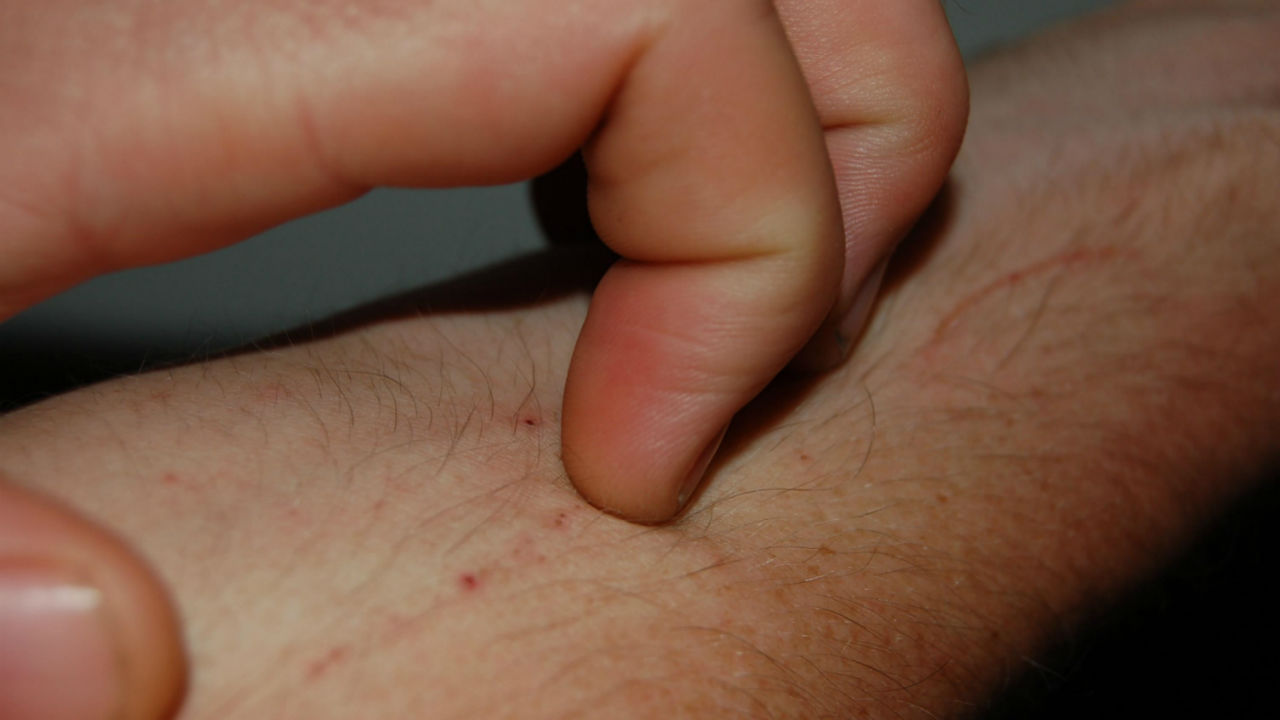
The official name for exercise-induced hives is exercise-induced urticaria. Hives or those flattened red welts can occur anywhere on the body though the stomach, back and chest are common locations. This mild form of hives is also called cholinergic urticaria and is believed to happen when the body heats up and sweats, stimulating a hypersensitive response in the skin.
People who develop hives during exercise may also develop them after taking a hot shower or eating spicy foods for the same reason. Surprisingly, some people also develop exercise induced urticaria when they exercise in cold weather in activities such as skiing or swimming in the ocean.
In rare cases, a more severe allergic reaction to exercise can develop and is called exercise-induced anaphylaxis. The symptoms of hives become more severe and are accompanied with difficulty breathing, nausea and feeling faint. A doctor will help you determine if you are at risk for this problem and prescribe an epinephrine dose in an Epi-pen syringe for you to carry. You would be taught how to self administer the epinephrine in case severe symptoms like this were to develop.
What you should do if you develop hives during exercise?
1. Stop exercising and see if the hives go away after about 10-15 minutes of rest. If they don’t, then see a doctor before exercising again for an evaluation.
2. A doctor will determine if you are allergic to specific foods or medications that are triggering a reaction when you exercise. You may need to keep a food diary to figure out which foods may be the problem. Those foods or medications should be avoided 6 hours before exercising. Common food triggers are: cheese, celery, seafood or wheat. Over the counter drugs that may also trigger a reaction are aspirin or ibuprofen.
3. A doctor may decide to prescribe an anti-histamine such as Zyrtec or Allegra to be taken an hour before exercising to block a potential allergic reaction. You may also have to adjust your exercise routine and avoid activities that seem to set off the response.
During exercise, if you ever feel yourself develop the symptoms of a more severe allergic reaction such as: difficulty breathing, swelling of the tongue or face, feeling faint make sure you get immediate medical attention and follow up with your doctor.
http://familydoctor.org/online/famdocen/home/healthy/physical/injuries/737.html
www.aafp.org/afp/20011015/1367.html
www.healthline.com/sw/hr-ad-ask-the-doctor-exercise-induced-hives
http://thedermblog.com/2009/08/19/can-exercise-give-you-hives/
Michele is an R.N. freelance writer with a special interest in women’s healthcare and quality of care issues. Other articles by Michele can be read at http://www.helium.com/users/487540/show_articles
Add a CommentComments
There are no comments yet. Be the first one and get the conversation started!