 5 Ways You Can Beat the Winter Bloat








Improved
6139 HealthChanged
3797 LivesSaved
3584 Lives0 lives impacted in the last 24 hrs Learn More
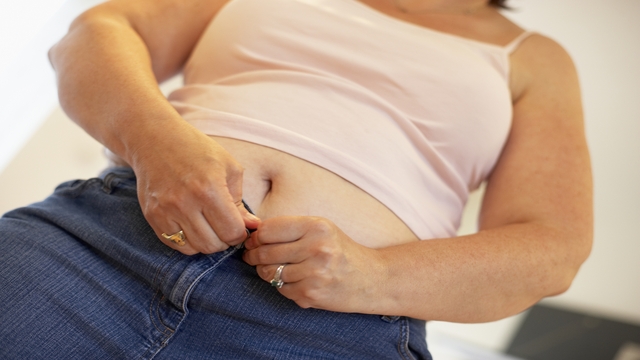
Calories are taken in through food. They are used through physical activity and basic body functions. Excess weight gain occurs when this relationship is not kept in balance. High caloric intake and low usage will cause weight gain. If this happens regularly it will lead to obesity.
Factors that can influence obesity are:
Risk factors include:
Please be aware that this information is provided to supplement the care provided by your physician. It is neither intended nor implied to be a substitute for professional medical advice. CALL YOUR HEALTHCARE PROVIDER IMMEDIATELY IF YOU THINK YOU MAY HAVE A MEDICAL EMERGENCY. Always seek the advice of your physician or other qualified health provider prior to starting any new treatment or with any questions you may have regarding a medical condition. Copyright © 2026 EBSCO Publishing All rights reserved.