



Improved
6112 HealthChanged
3786 LivesSaved
3568 Lives0 lives impacted in the last 24 hrs Learn More
If you are a woman, chances are -- whether you have had or have a yeast infection or not -- you still may have yeast in the vaginal area at present. Your body produces a “good” bacteria that keeps yeast from overgrowing -- most of the time. Sometimes, things get a little off-balanced and this fungus (Candida) can result in a vaginal yeast infection.
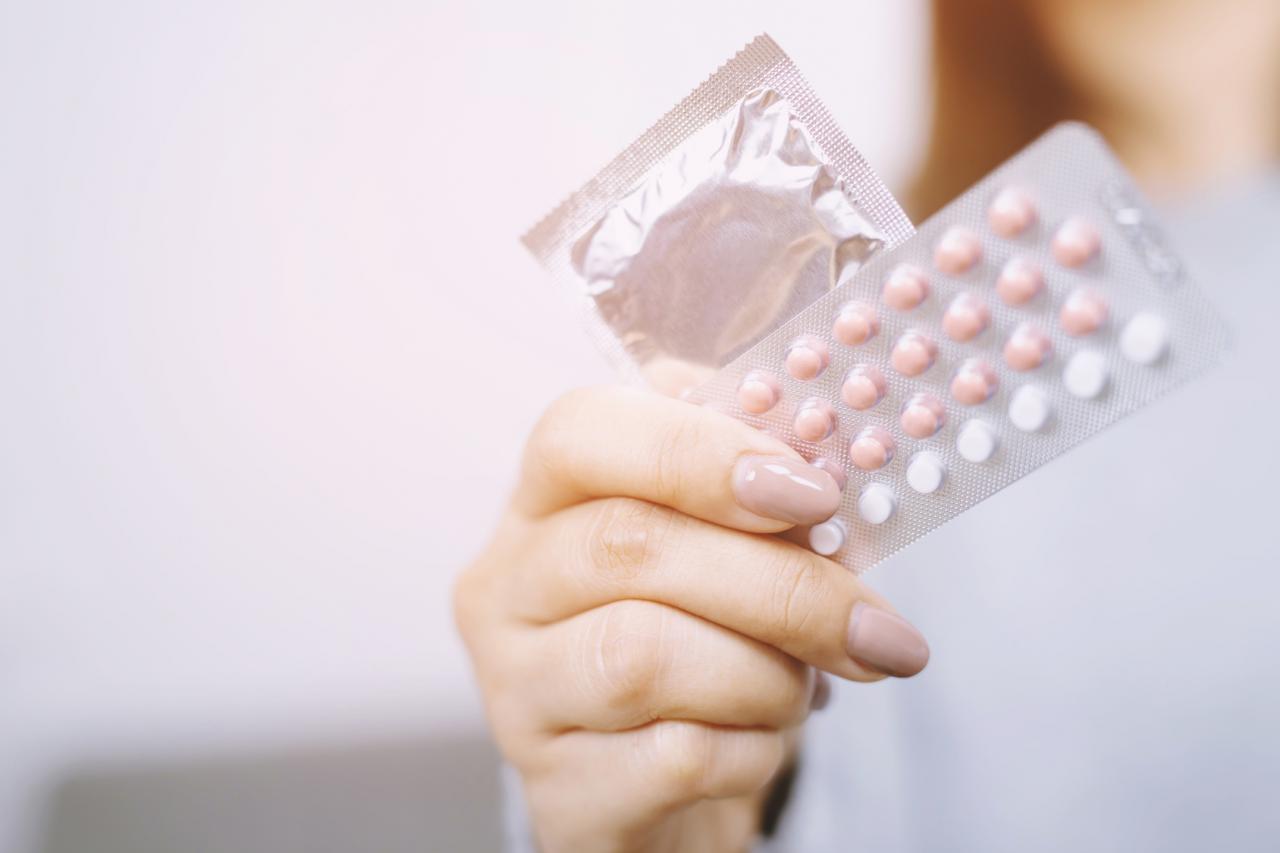
What causes it? A series of things may cause this infection. For example, it can happen if your blood sugar is out of control, if your immune system is suppressed, or if you are taking antibiotics or certain medications. Even oral contraceptives can be the culprit.
How do you know if you have a yeast infection? The only sure way to know is to be tested by a doctor. It is best to obtain a professional opinion because it could easily be other conditions which produce similar symptoms. Once a yeast infection diagnosis is confirmed by your doctor, over-the-counter medicines or prescribed oral medicines can be used.
It is recommended that females 12 and under not be given over-the-counter products. And remember, even if you are not having symptoms, it’s very likely that you may have yeast in the vaginal area. That’s pretty normal. The problem begins when you start having symptoms.
Symptoms may include:
• Itching and irritation in the vagina
• Redness, swelling or itching of the vulva (the folds of skin outside the vagina)
• A thick, white discharge that can look like cottage cheese and is usually odorless, although it might smell like bread or yeast
• Pain or burning when urinating or during sex
In the meantime, here is a list of practical and preventive steps to take in the fight against yeast infections:
• Wear cotton underwear
• Do not sit around in wet clothing such as a wet bathing suit
• Stay away from perfumed products like sanitary pads, feminine sprays, toilet tissue, bath gels and soaps
• Avoid douching
Lastly, even though your sexual partner can get an infection from you, it is not considered a sexually transmitted disease (STD) since even celibate females are able to get a yeast infection. However, for treatment, he should see the doctor for accurate and prompt diagnosis.
Resources:
Vaginal Yeast Infections. TeensHealth.org. Web. 9 September 2011
http://kidshealth.org/teen/infections/fungal/yeast_infections.html
Vaginal Yeast Infection. MedicineNet.com. Web. 9 September 2011
http://www.medicinenet.com/yeast_vaginitis/article.htm
Dita Faulkner is a freelance writer and an avid blogger on women’s issues. Please check out her blog at:
http://redtoenails.wordpress.com/2011/05/07/a-hairy-predicament-%E2%80%93-rapunzel-was-really-a-bald-headed-homeless-woman
Reviewed September 13, 2011
by Michele Blacksberg R.N.
Edited by Jody Smith
Add a CommentComments
There are no comments yet. Be the first one and get the conversation started!